
Email:info@weisho.com
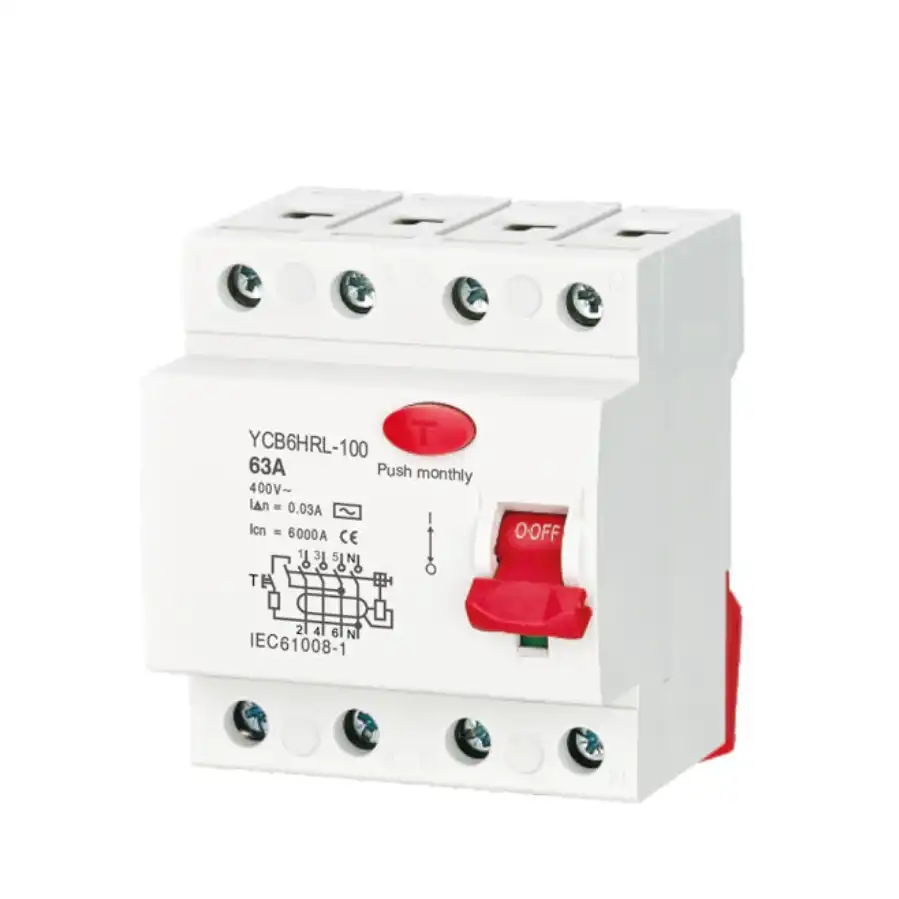
Manufacturer of residual current circuit breakers
WEISHO, as a leading manufacturer of residual current circuit breakers in the market, not only creates high-quality products with strict processes, but also provides the most competitive prices with its complete supply chain advantages. At the same time, we support OEM manufacturing and personalized customization services to help customers enhance their brand competitiveness and market value.
What are our characteristics
Production technology
Adopting industry-leading manufacturing processes, continuously optimizing production processes, and improving efficiency and accuracy
Customization and OEM/ODM
Supports OEM/ODM services and can provide customized solutions according to your needs, including rated current, brand identification, etc
High performance-price ratio
Efficient production and strong supply chain management ensure high quality and low prices, reducing customer procurement costs
Long term partnership
Putting customers at the center, establishing long-term stable cooperation, and assisting in the growth of customer business.
Customizable residual current circuit breakers
Explore our extensive range of customized residual current circuit breakers, suitable for various distribution scenarios and professional applications. We provide comprehensive solutions from basic circuit protection to high-performance intelligent control:
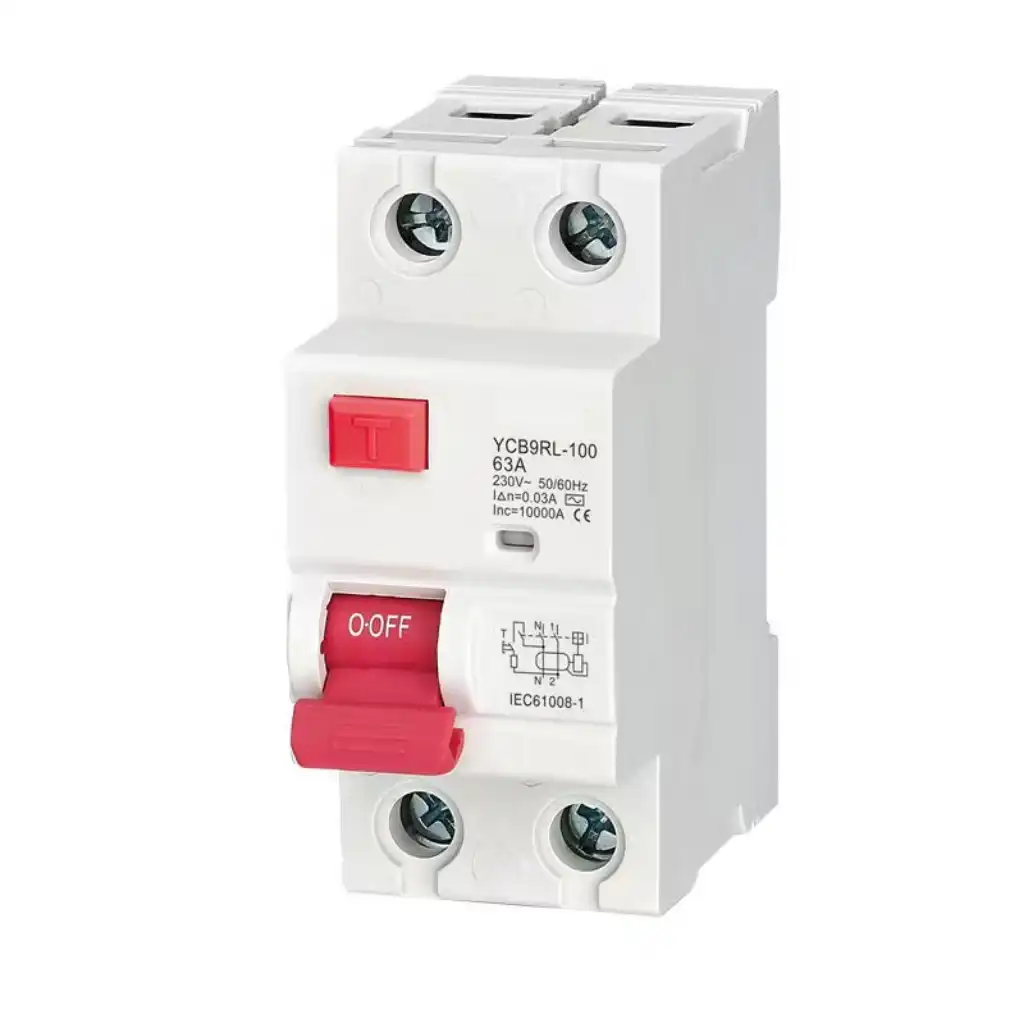
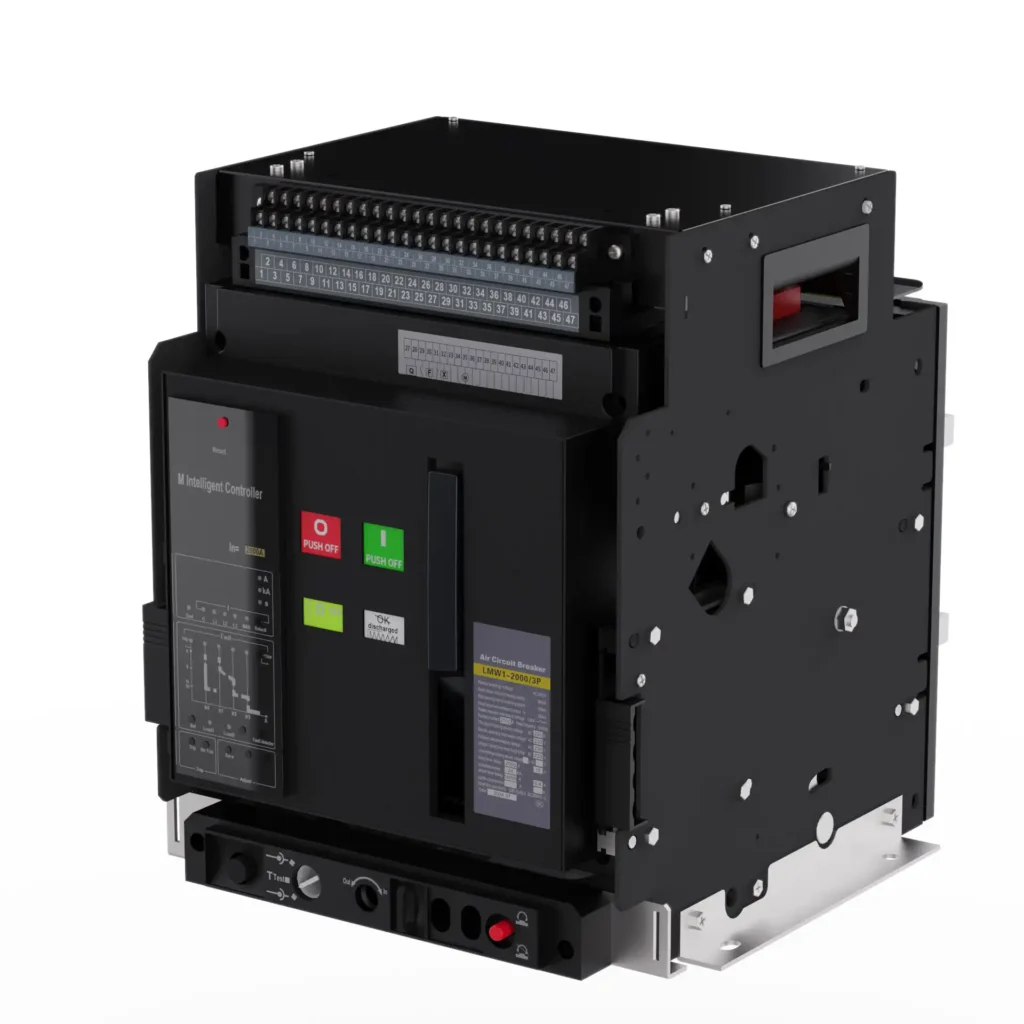
6300A industrial air circuit breaker
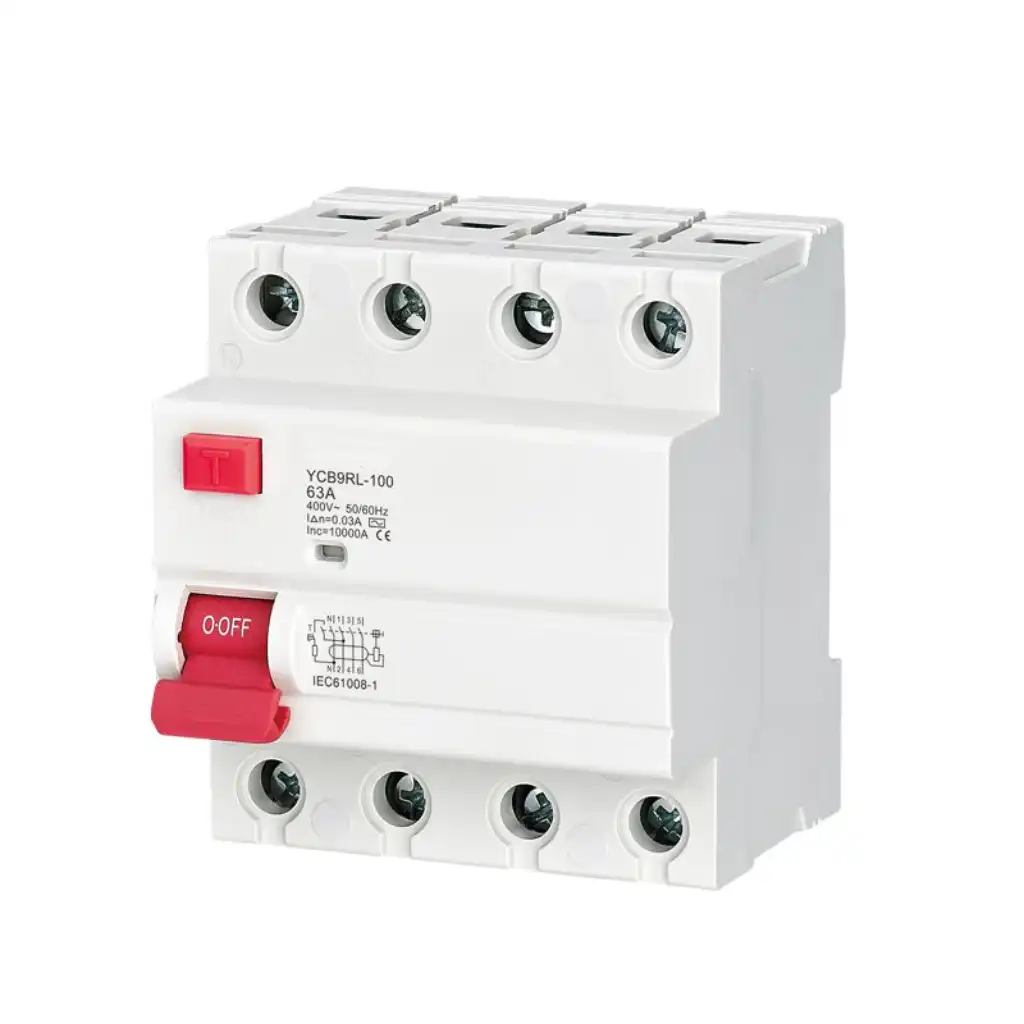
Fixed frame circuit breaker
Universal air circuit breaker
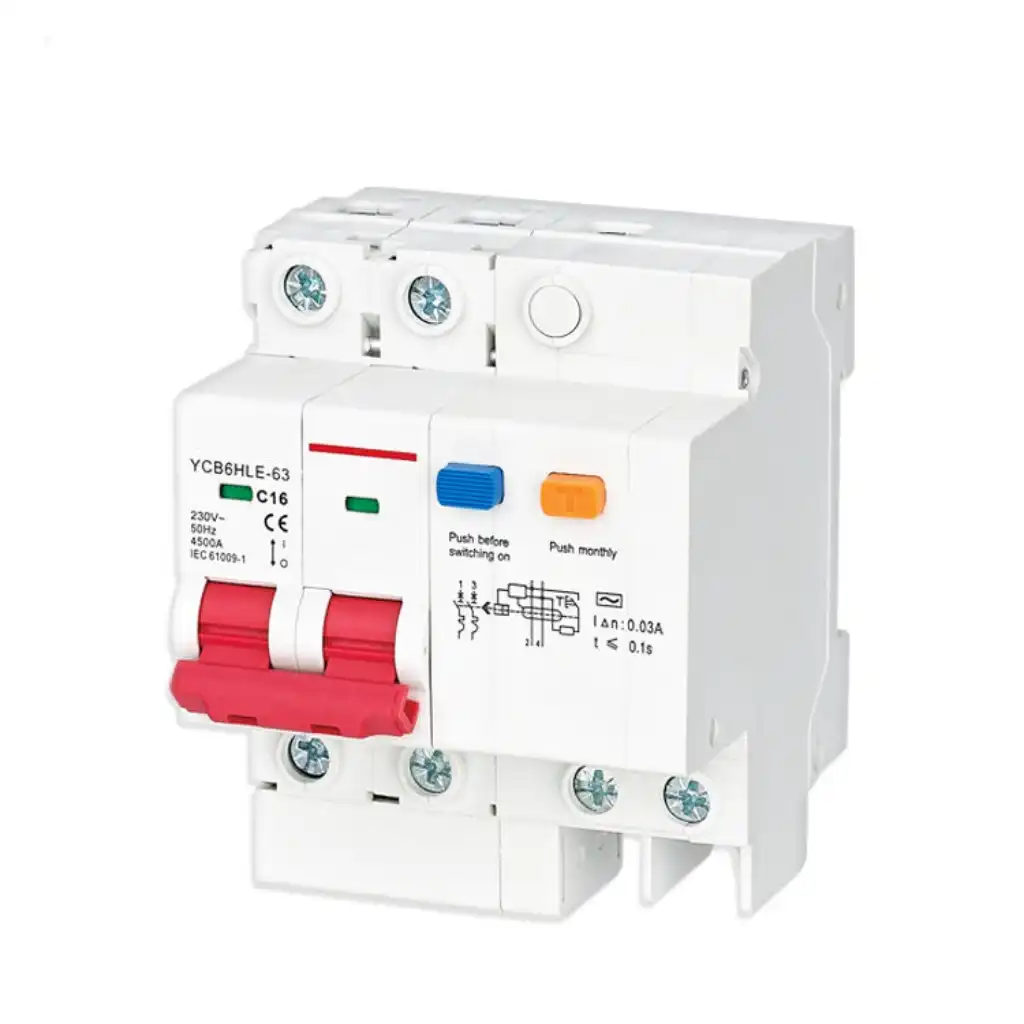
Wholesale air circuit breakers
A brief introduction
WHY CHOOSE US
- Industry-leading testing: Every residual current circuit breaker (RCCB) undergoes strict 100% testing in line with international safety standards (e.g., residual current sensitivity verification)
- High-quality materials: Premium components (e.g., flame-retardant housing, stable sensing modules) ensure longer service life and reliable leakage protection performance
- High-quality materials: Premium components (e.g., flame-retardant housing, stable sensing modules) ensure longer service life and reliable leakage protection performance
- Global certification: Our full RCCB series has obtained IEC, CE, UL, and regional safety certifications for leakage protection compliance
- Comprehensive support: From RCCB selection guidance (matching leakage current ratings to scenarios) to installation training and after-sales maintenance support
Why choose a residual current circuit breaker?
Residual current circuit breakers (RCCBs) are key components in modern electrical systems, providing leakage, overload and short-circuit protection. Designed for reliable performance in residential, commercial and light industrial scenarios, they quickly isolate faulty circuits to ensure safety. Here’s why RCCB is the smart choice for your electrical safety needs.
Efficient Overload Protection
RCCBs (Residual Current Circuit Breakers) deliver reliable overload protection, shielding electrical systems from potential damage caused by excessive current.
- Strong overload current handling capacity
- Fast response to overload faults
- Adjustable overload protection thresholds
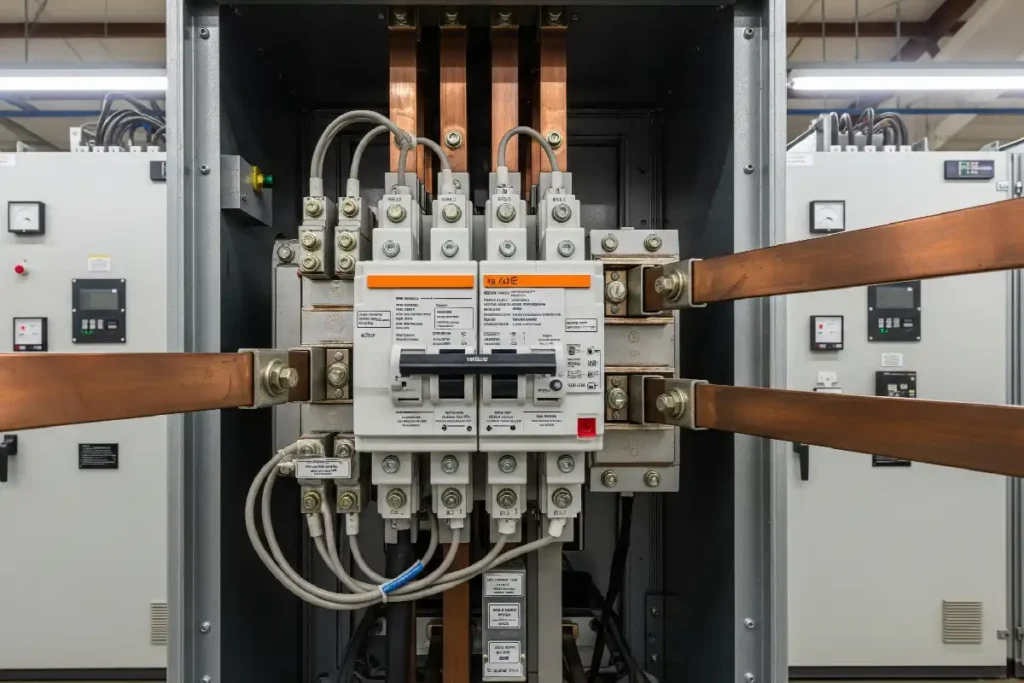
Advanced security features
RCCBs (Residual Current Circuit Breakers) are equipped with advanced safety features, effectively reducing electrical accidents and enhancing user protection.
- Leakage protection module
- Reinforced circuit isolation
- Thermal and magnetic tripping mechanism
Versatile Applications
Residual Current Circuit Breakers (RCCBs) are adaptable to diverse scenarios, serving as a flexible protection solution for various electrical systems.
- Residential electrical circuits
- Commercial facilities
- Light industrial setups
Cost-Effective Solution
Investing in Residual Current Circuit Breakers (RCCBs) helps cut long-term maintenance and replacement costs, thanks to their robust design and extended service life.
- Robust, wear-resistant construction
- Minimized ongoing maintenance expenses
- Extended operational lifespan

The advantages of our RCCB product
High arc extinguishing capability
Quickly cools and splits arcs, shortening arc extinguishing time and reducing arc energy—ideal for scenarios with frequent circuit switching
Intelligent functions
Compatible with smart monitoring systems, supporting remote monitoring, fault diagnosis and early warnings for leakage/overload issues—boosting operational efficiency of electrical protection.
Long mechanical lifespan
Adopts wear-resistant materials and optimized structural design; mechanical service life reaches 40,000+ cycles, outperforming traditional residual current circuit breakers.
Low maintenance cost
Oil-free maintenance design with simplified structure, reducing maintenance frequency and lowering long-term operation & upkeep costs (matches RCCBs’ low-consumption application characteristics).
High judgement ability
Boasts breaking capacity up to 150kA (Icu=Ics) and rated voltage up to AC1500V, meeting high-voltage, large-capacity low-voltage distribution protection needs
Brand reputation
Certified by authoritative bodies (ISO, IEC, UL, etc.), widely used in global markets—backed by reliable quality and comprehensive after-sales support.
Get Your Customized Quotation!
We provide customized solutions. Tell us your needs for a precise quote.
Not just a residual current circuit breaker manufacturer
We don’t just produce residual current circuit breakers (RCCBs)—we also provide customized value-added services tailored to your project needs. We strive for excellence, ensuring every customer receives personalized attention, professional guidance, and seamless support throughout the entire RCCB selection, configuration, and after-sales process.

Service Consultation
Whether your RCCB needs are for basic applications or complex projects, our team provides professional advice and technical consultation. For high-difficulty projects, we offer in-depth engineering support—ensuring you select the optimal RCCB products and application solutions.
Product Recommendations
Unsure which RCCB fits your system? Our experts will provide free customized advice based on your specific operational and environmental requirements, helping you get the product that best meets your electrical leakage/overload protection needs.

Service Consultation
If you lack a reliable freight forwarder, we can arrange free transportation of RCCBs from our factory to your project site. Our logistics team ensures timely, safe delivery—keeping your project on schedule and minimizing downtime.

Installation Support
We provide guidance for RCCB installation (e.g., wiring, parameter configuration for leakage protection). Our technical team helps ensure correct, compliant installation to maximize RCCB performance.
What are our clients saying
Don’t just believe what we say! Take a look at the satisfied customers’ evaluations of air circuit breakers.
Don’t just believe what we say! Take a look at satisfied customers’ evaluations of our residual current circuit breakers (RCCBs).

John Doe
Electrical Engineer
“The RCCBs are really user-friendly; they’re easy to integrate into home circuits and have made our daily electrical use much more reassuring.”

Tom Johnson
Homeowner
“I trust these RCCBs for their durability—they’ve held up perfectly in my home renovation projects, giving me total peace of mind.”

James Brown
DIY Enthusiast
“Since switching to these RCCBs, our facility’s electrical reliability has improved drastically, and maintenance costs have dropped noticeably.”

Maria Smith
Facilities Manager

WEISHO employs the most advanced production equipment and precise testing methods at all times, providing a solid guarantee for the company’s product manufacturing and quality inspection.
All products of the entire series have undergone strict environmental and electrical tests.
At the same time, the company has obtained ISO9001 quality management system and ISO14001 environmental management system certifications.
♥Wide selection
♥OEM Quality
♥100% Satisfaction Guarantee
Looking forward to working with you
Your trusted electrical equipment supplier
FAQ
Learn more about residual current circuit breakers (RCCBs) through these frequently asked questions.
What is a residual current circuit breaker?
An RCCB is a low-voltage electrical protection device that monitors the imbalance (residual current) between live and neutral wires. It quickly trips to cut off power when leakage occurs (e.g., human electric shock, insulation damage), preventing electrical accidents. It’s a core device for electrical safety in residential, commercial, and light industrial scenarios.
How do residual current circuit breakers work?
RCCBs use a current transformer to detect the vector sum of live/neutral currents: under normal conditions, the sum is 0. When leakage happens (e.g., current flows to the ground), the sum exceeds the set threshold (typically 30mA for personal protection), triggering an electromagnetic or electronic mechanism to trip the circuit within ≤0.1 seconds—stopping the risk of electric shock.
Why use residual current circuit breakers?
Traditional circuit breakers only protect against overload/short-circuit, but RCCBs add leakage protection (the leading cause of electrical shocks and fires). They are mandatory in most regions for residential circuits, as they significantly reduce the risk of electric shock and electrical fire, especially in wet environments (bathrooms, kitchens).
What are the components of an RCCB?
Key components include: a current transformer (leakage detection core), a tripping mechanism (electromagnetic/electronic), main contacts (for circuit switching), an operating handle, a test button (to verify leakage protection function), and a flame-retardant housing.
How often should RCCBs be tested?
It’s recommended to press the “TEST” button monthly to verify leakage protection function. For commercial/industrial applications, professional functional testing (including residual current sensitivity verification) should be conducted annually. High-frequency use scenarios (e.g., workshops) may require semi-annual testing.
Can RCCBs be used in residential applications?
Yes—RCCBs are essential for residential circuits. Most homes use “RCBOs” (RCCB + MCB integrated devices) to provide combined leakage, overload, and short-circuit protection. Typical residential configurations use 30mA RCCBs for sockets (especially wet areas) and 100mA RCCBs for main circuits.
What maintenance do RCCBs require?
RCCBs have no consumable parts and require minimal maintenance: keep the device clean (avoid dust/moisture accumulation), press the test button monthly, and replace the device if it fails the test (or if the tripping time becomes slow). Do not disassemble the device—professional replacement is recommended when faults occur.
Are RCCBs environmentally friendly?
Modern RCCBs use RoHS-compliant materials (free of lead, mercury, etc.) and are recyclable (metal contacts, plastic housing). Their long service life (typically 10–15 years) reduces waste from frequent replacements. Additionally, they prevent electrical fires, indirectly reducing environmental damage from fire-related pollution.
What sizes do RCCBs come in?
RCCBs are sized by residual current rating (30mA, 100mA, 300mA, 500mA) and rated current (16A, 20A, 32A, 40A, 63A). Physical sizes follow standard electrical panel dimensions (e.g., 1-module, 2-module for residential RCBOs), ensuring compatibility with standard distribution boxes.
Do RCCBs have a warranty?
Most manufacturers provide a 1–2 year warranty covering material and workmanship defects. Some brands offer extended warranties (up to 5 years) for commercial bulk orders. The warranty typically does not cover damage from improper use (e.g., overloading beyond rated current, physical impact).